Welcome to the enchanting city of Cuenca, Ecuador, where history comes alive through its stunning architecture and rich cultural heritage. Cuenca is renowned for its well-preserved historical sites, offering a glimpse into the past.
As you wander through the cobblestone streets of Cuenca, you will encounter an array of magnificent landmarks. Each site holds a unique piece of Cuenca’s history, waiting to be discovered.
Staying at the luxurious Hotel Boutique Mansión Alcázar provides the perfect base for your explorations. This elegant hotel transports you back in time with its classic architecture and refined decor. Offering a serene retreat after a day of sightseeing.
In this blog post, we will delve into the most significant historical sites in Cuenca, Ecuador. Our guide will provide you with all the information you need to make the most of your visit.
So, let’s begin our journey through Cuenca’s past and uncover the treasures that make this city a must-visit destination.
The Historic Centre of Cuenca
The Historic Centre of Cuenca, recognized as a UNESCO World Heritage Site, stands as a testament to the city’s rich colonial history. This area, often referred to as the heart of Cuenca, offers a captivating glimpse into the past with its well-preserved architecture and vibrant cultural heritage.
Founded in 1557, Cuenca’s historic centre showcases a blend of Spanish colonial architecture and local influences. The meticulous planning and preservation efforts have ensured that visitors can still experience the charm and elegance of this era. Wandering through the cobblestone streets, you will find an array of notable buildings and landmarks that highlight the city’s historical significance.
Architectural Marvels
One of the most striking features of the Historic Centre is its architectural diversity. The buildings here reflect a range of styles from different periods, creating a unique visual tapestry. Key landmarks include:
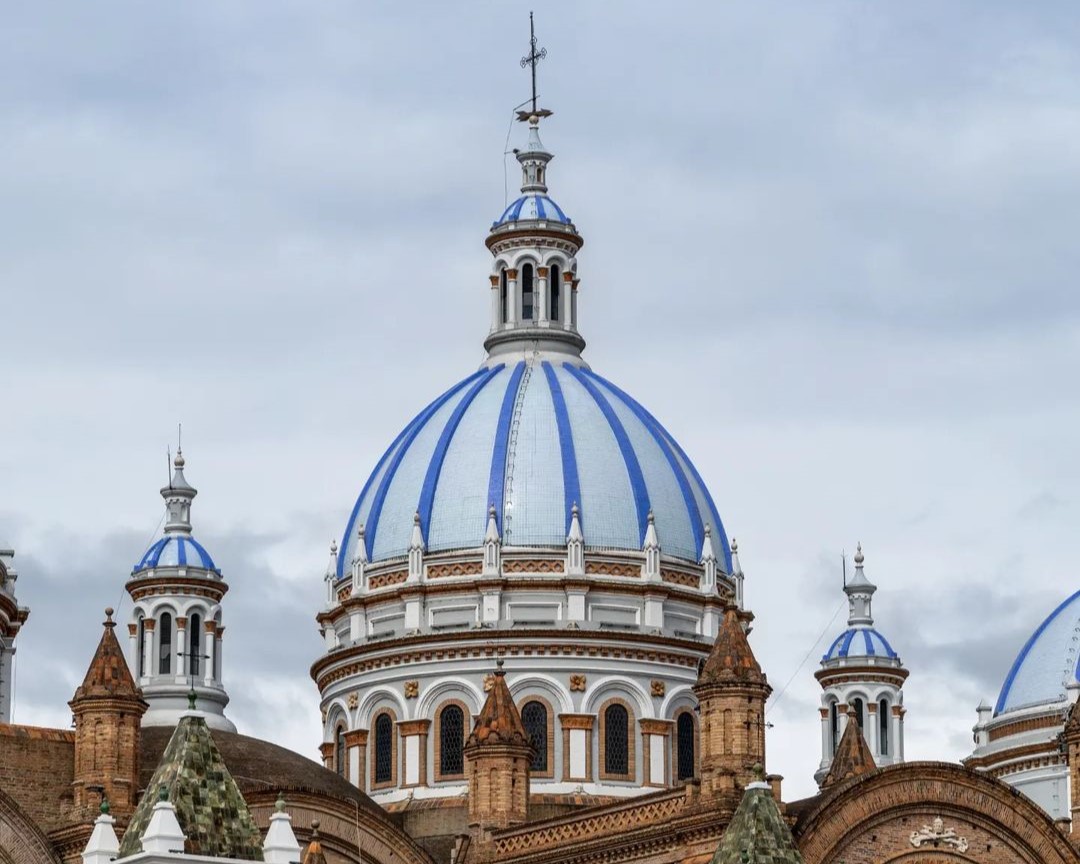
- New Cathedral (Catedral de la Inmaculada Concepción): Known for its stunning blue domes, this cathedral is a symbol of Cuenca. Construction began in 1885, and it remains one of the most iconic structures in the city.
- Old Cathedral (Iglesia del Sagrario): Built in 1557, this cathedral now serves as a museum, offering insights into Cuenca’s religious history.
- El Carmen de la Asunción: This convent and church, founded in 1682, is renowned for its beautiful baroque architecture and serene cloisters.
- Plaza Abdon Calderon: The central square of Cuenca, surrounded by historical buildings, including the New and Old Cathedrals, is a perfect spot to start your exploration.
UNESCO World Heritage Designation
The designation of the Historic Centre of Cuenca as a UNESCO World Heritage Site in 1999 underscores its global cultural significance. This recognition highlights the city’s commitment to preserving its historical and architectural heritage. According to UNESCO, Cuenca is an outstanding example of a planned inland Spanish colonial town, illustrating the successful fusion of different societies and cultures in Latin America.
The UNESCO status not only brings international attention but also ensures that conservation efforts are prioritized. This helps maintain the authenticity and integrity of the historic centre, allowing future generations to appreciate its beauty and historical value.
Cultural Heritage
Beyond its architectural splendor, the Historic Centre of Cuenca is a vibrant hub of cultural activities. The area hosts numerous festivals, parades, and events throughout the year, celebrating the city’s rich traditions and community spirit. Visitors can immerse themselves in local culture by exploring museums, galleries, and artisanal shops that line the streets.
Staying at the Hotel Boutique Mansión Alcázar, located in the heart of Cuenca’s historic centre, provides the perfect base for your explorations. This elegant hotel, with its classic architecture and refined decor, offers a serene retreat after a day of sightseeing.
As you continue your journey through Cuenca, the Historic Centre serves as a constant reminder of the city’s storied past and its enduring legacy. Whether you’re an architecture enthusiast, a history buff, or simply a curious traveler, the Historic Centre of Cuenca promises an enriching and unforgettable experience.
Pumapungo Archaeological Park
Pumapungo Archaeological Park offers a fascinating journey into Cuenca’s pre-Columbian past. This historical site, located in the heart of the city in Calle Larga, provides visitors with a unique opportunity to explore the remnants of ancient civilizations that once thrived in the region. The park is a testament to Cuenca’s rich cultural heritage and its ongoing efforts to preserve its ancient history.
The park is renowned for its extensive archaeological findings, which shed light on the lives of the Inca and Cañari people who inhabited the area long before the arrival of the Spanish. As you wander through the park, you will encounter a variety of ruins and artifacts that offer a glimpse into the daily lives, religious practices, and societal structures of these ancient civilizations.
Historical Significance
Pumapungo, meaning ‘Puma Gate’ in Quechua, was a significant site for both the Inca and Cañari civilizations. The Cañari people, known for their advanced agricultural techniques and intricate pottery, were the original inhabitants of the area. The Inca later conquered the Cañari and established Pumapungo as a major administrative and religious center.
The site includes the remains of temples, terraces, and aqueducts that highlight the architectural prowess of these ancient cultures. One of the most notable features is the large ceremonial platform, believed to have been used for important religious rituals and gatherings. This platform provides a stunning view of the surrounding landscape, allowing visitors to appreciate the strategic significance of the location.
Archaeological Discoveries
The excavations at Pumapungo have unearthed a wealth of artifacts that offer valuable insights into the lives of the Inca and Cañari people. Among the most significant discoveries are:
- Pottery and Ceramics: Intricately designed pottery pieces that showcase the artistic skills and cultural expressions of the ancient inhabitants.
- Tools and Implements: Various tools made from stone and metal, reflecting the technological advancements of the time.
- Burial Sites: Tombs and burial mounds that provide information about the burial practices and beliefs surrounding death and the afterlife.
- Agricultural Terraces: Ingeniously constructed terraces that demonstrate the sophisticated agricultural techniques used to cultivate crops in the challenging Andean environment.
These discoveries not only enhance our understanding of the ancient cultures but also highlight the importance of Pumapungo as a center of innovation and cultural exchange.
Cultural Relevance
Today, Pumapungo Archaeological Park serves as a vital cultural and educational resource. The park’s museum houses many of the artifacts discovered on-site, providing visitors with a comprehensive look at the history and heritage of the region. Interactive exhibits and informative displays make the museum an engaging experience for all ages.
The park also plays a crucial role in preserving Cuenca’s ancient heritage. Ongoing conservation efforts ensure that the ruins and artifacts are protected for future generations to study and enjoy. Additionally, the park hosts various cultural events and educational programs that promote awareness and appreciation of Ecuador’s rich historical legacy.
Visiting Pumapungo Archaeological Park is a must for anyone interested in the history of Cuenca and its ancient civilizations. The park offers a unique blend of natural beauty, historical intrigue, and cultural significance, making it a highlight of any trip to this enchanting city.
For a comfortable and luxurious stay while exploring Cuenca’s historical sites, consider booking your accommodation at the Hotel Boutique Mansión Alcázar. Located in the heart of the historic center, this elegant hotel provides the perfect base for your adventures.
The Tomebamba River and El Barranco
The Tomebamba River and the El Barranco area are integral to understanding Cuenca’s historical and cultural landscape. Flowing through the heart of the city, the Tomebamba River has played a significant role in the development and sustenance of Cuenca. This section will delve into the river’s importance, the historical buildings along El Barranco, and their cultural impact.
Cuenca, Ecuador, is renowned for its well-preserved historical sites, and the Tomebamba River is no exception. The river not only adds to the city’s picturesque beauty but also serves as a historical marker, dividing the old town from the modern city. The area known as El Barranco, which runs alongside the river, is home to some of Cuenca’s most notable historical buildings.
The River’s Role in Cuenca’s Development
The Tomebamba River has been a lifeline for Cuenca since its founding. Historically, the river provided water for agriculture, which was crucial for the city’s growth and sustainability. The riverbanks were also ideal for settlement, leading to the development of various neighborhoods and communities over the centuries.
In addition to its practical uses, the Tomebamba River has cultural and symbolic significance. It is often featured in local folklore and traditions, highlighting its importance in the daily lives of Cuenca’s residents. The river’s presence has influenced the city’s layout, with many of Cuenca’s most important historical sites located near its banks.
Notable Buildings Along El Barranco
El Barranco is a treasure trove of historical architecture, showcasing a blend of colonial and republican styles. Some of the most notable buildings include:
- Remigio Crespo Toral Museum: This museum, housed in a beautiful colonial building, offers insights into Cuenca’s history and culture. It is named after Remigio Crespo Toral, a prominent Ecuadorian poet and politician.
- La Casa de la Lira: Once the home of poet and writer Miguel Moreno, this building is now a cultural center hosting various events and exhibitions.
- Todos Santos Complex: This site includes remnants of Cañari, Inca, and Spanish architecture, reflecting the diverse cultural influences that have shaped Cuenca.
- Puente Roto: Known as the Broken Bridge, this structure partially collapsed in a flood in 1950. It now serves as a historical landmark and a popular spot for photographs.
Cultural Impact of El Barranco
El Barranco is not just a collection of historical buildings; it is a vibrant cultural hub. The area hosts numerous festivals, art exhibitions, and cultural events throughout the year, attracting both locals and tourists. The blend of natural beauty and historical significance makes El Barranco a unique and cherished part of Cuenca.
Visitors can stroll along the riverbanks, enjoying the scenic views and exploring the various historical sites. The area is also home to several cafes and restaurants, offering a perfect spot to relax and soak in the atmosphere. For those staying at the Hotel Boutique Mansión Alcázar, El Barranco is just a short walk away, making it an ideal destination for a leisurely day of exploration.
In conclusion, the Tomebamba River and El Barranco are essential components of Cuenca’s historical and cultural identity. They offer a glimpse into the city’s past while providing a vibrant space for contemporary cultural activities. Whether you are a history enthusiast or simply looking to enjoy the beauty of Cuenca, a visit to this area is a must.
Dive Deeper into Cuenca’s Rich Tapestry of History
Exploring the historical sites in Cuenca, Ecuador, offers an unparalleled journey through time. The city’s Historic Centre, with its blend of Spanish colonial architecture and local influences, vividly showcases the cultural fusion that defines Cuenca. From the majestic New Cathedral to the serene El Carmen de la Asunción, every corner of the historic centre tells a unique story.
Venturing to Pumapungo Archaeological Park expands your understanding of Cuenca’s pre-Columbian heritage. The park’s ruins and artifacts provide a fascinating insight into the lives of the Inca and Cañari civilizations. Highlights such as the ceremonial platform and intricately designed pottery pieces illustrate the advanced cultural and technological achievements of these ancient peoples.
The Tomebamba River and the El Barranco area further enrich your exploration. The river, a lifeline for Cuenca, divides the old town from the modern city, while El Barranco’s historical buildings and vibrant cultural scene offer a glimpse into Cuenca’s dynamic past and present. Notable sites like the Remigio Crespo Toral Museum and the Todos Santos Complex add to the area’s allure.
Staying at the luxurious Hotel Boutique Mansión Alcázar places you at the heart of these historical treasures. This elegant hotel, with its classic architecture and refined decor, provides a serene retreat after a day of discovery. Whether you are a history enthusiast or a curious traveler, Cuenca’s historical sites promise an enriching and unforgettable experience.
We encourage you to share your thoughts and experiences in the comments below. Feel free to explore more content on our website and plan your next adventure in Cuenca. Don’t forget to share your journey on social media using the hashtag #DiscoverCuencaHistory!