.Imagine walking along ancient paths that once connected the vast Inca Empire. A network of roads that stretched across six countries in South America. Welcome to the Qhapaq Ñan, also known as the Andean Road System. A UNESCO World Heritage Site that offers a journey through history, culture, and breathtaking landscapes. In Ecuador, this historic trail is more than just a pathway. It’s a living testament to the ingenuity and resilience of the Andean civilizations.
The Qhapaq Ñan in Ecuador spans over 108 kilometers, weaving through diverse ecosystems from lush valleys to highland páramos. This ancient road system is dotted with archaeological sites, including tolas, pucarás, and ceremonial centers. Offering a unique glimpse into the past. For travelers and history enthusiasts, exploring these paths means stepping into a world where every stone tells a story. The story of the Inca Empire’s grandeur and its integration of diverse cultures.
Why should you consider trekking the Qhapaq Ñan in Ecuador? This journey provides an unparalleled opportunity to experience the natural beauty and cultural richness of the region. From the vibrant communities that thrive along the trail to the stunning biodiversity that surrounds it. Every step is a chance to connect with the heritage and spirit of the Andes.
In this post, we’ll delve into everything you need to know about the Qhapaq Ñan in Ecuador. Especially focusing on the experiences awaiting you in Cuenca. We’ll explore the key historical sites, offer practical travel tips, and highlight the unique cultural encounters. Join us as we uncover the secrets of this ancient road in the heart of Ecuador.
The Historical Significance of the Qhapaq Ñan
The Qhapaq Ñan, also known as the Andean Road System, was the backbone of the Inca Empire. It facilitated communication, trade, and military operations. This intricate network of roads spanned over 30,000 kilometers, connecting various regions of the empire, including present-day Ecuador. The Qhapaq Ñan played a crucial role in the expansion and administration of the Inca Empire, making it one of the most significant engineering feats of pre-Columbian America.
Constructed by the Incas, the Qhapaq Ñan was more than just a means of transportation. It was a symbol of the empire’s power and ingenuity, showcasing their advanced engineering skills and ability to adapt to diverse and challenging terrains. The road system included various types of infrastructure such as bridges, tunnels, and stairways, which facilitated the movement of armies, goods, and information across the vast empire.
Construction and Engineering
The construction of the Qhapaq Ñan was a monumental task that required meticulous planning and execution. The Incas utilized local materials and labor, employing advanced engineering techniques to build roads that could withstand the harsh Andean environment. The road system was designed to connect major administrative and ceremonial centers, ensuring efficient communication and control throughout the empire.
One of the most remarkable aspects of the Qhapaq Ñan was its ability to traverse diverse landscapes, from coastal deserts to high mountain passes. The Incas built suspension bridges over deep gorges, carved tunnels through solid rock, and constructed stairways on steep slopes. These engineering marvels not only facilitated travel but also demonstrated the Incas’ mastery of their environment.
Uses and Functions
The Qhapaq Ñan served multiple purposes, including trade, military operations, and communication. The road system enabled the efficient movement of goods, allowing the Incas to trade with various regions and distribute resources throughout the empire. This facilitated economic integration and helped maintain the empire’s stability.
In addition to trade, the Qhapaq Ñan was essential for military operations. The roads allowed the rapid deployment of troops, enabling the Incas to defend their territory and expand their empire. The road system also facilitated communication, with relay runners known as chasquis delivering messages across vast distances. These runners could cover up to 240 kilometers in a single day, ensuring that information flowed quickly and efficiently throughout the empire.
UNESCO World Heritage Site
In recognition of its historical and cultural significance, the Qhapaq Ñan was designated a UNESCO World Heritage Site in 2014. This prestigious designation highlights the importance of preserving this ancient road system for future generations. The recognition by UNESCO was a collaborative effort involving six countries: Argentina, Bolivia, Chile, Colombia, Ecuador, and Peru. Together, these nations work to protect and promote the Qhapaq Ñan as a testament to the ingenuity and resilience of the Andean civilizations.
The UNESCO designation has also helped raise awareness about the Qhapaq Ñan, attracting tourists and researchers from around the world. This increased interest has led to various conservation and restoration projects, ensuring that this invaluable cultural heritage remains intact for future generations to explore and appreciate.
For more information on the Qhapaq Ñan and other historical sites in Ecuador, visit the Boutique Hotel Mansión Alcázar website.
Exploring the Qhapaq Ñan in Ecuador
Ecuador is home to some of the most well-preserved sections of the Qhapaq Ñan, an ancient network of roads that once connected the vast Inca Empire. This section will highlight key routes and sites in Ecuador, including the Sangay National Park and the Ingapirca Archaeological Complex, offering travelers a unique journey through history and breathtaking landscapes.
For those looking to explore the Qhapaq Ñan in Ecuador, here are some of the most notable routes and sites to consider:
Sangay National Park
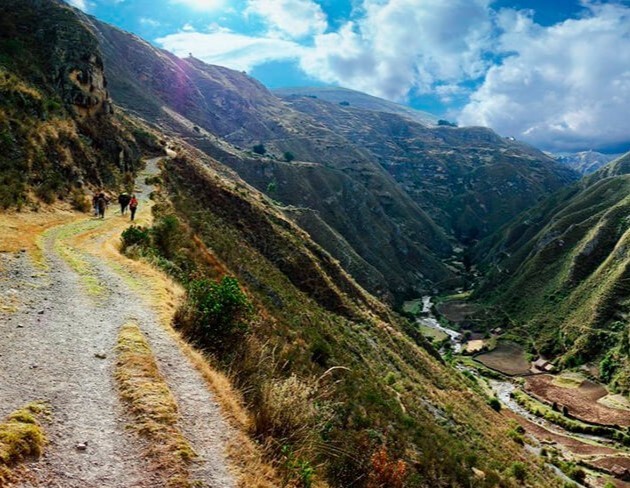
The Sangay National Park is a UNESCO World Heritage Site that encompasses a diverse range of ecosystems, from tropical rainforests to high-altitude páramos. Within this park lies a 30-kilometer stretch of the Qhapaq Ñan, which is considered one of the most well-preserved sections in Ecuador. The trail runs from the town of Achupallas to the Ingapirca Archaeological Complex, offering stunning views and a glimpse into the rich history of the region.
- Access: The trail can be accessed from the town of Achupallas, which is located in the Cañar Province.
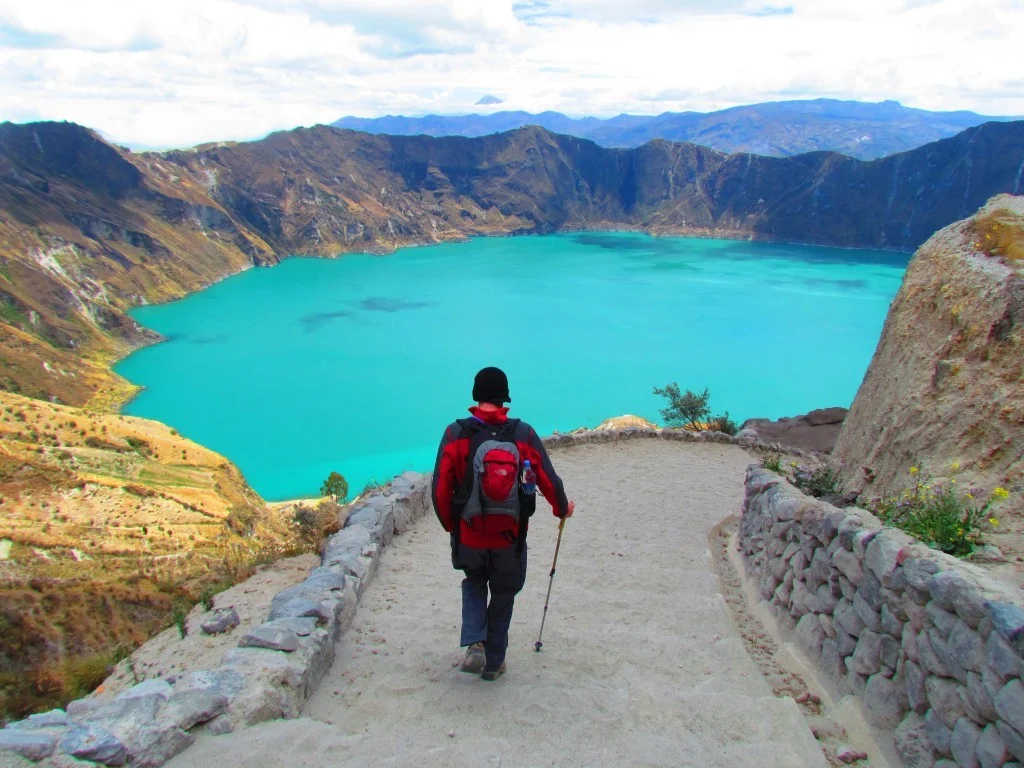
- What to Expect: Hikers can expect a challenging trek through diverse landscapes, including grasslands, forests, and high-altitude lakes. The trail is dotted with archaeological sites and offers opportunities to see a variety of wildlife.
Ingapirca Archaeological Complex
The Ingapirca Archaeological Complex is the most significant and well-preserved Inca site in Ecuador. Located in the Cañar Province, this complex features a variety of structures, including the Temple of the Sun, which is built in the distinctive Inca architectural style. The site provides valuable insights into the Inca civilization and their advanced engineering techniques.
- Access: Ingapirca is easily accessible by road from the city of Cuenca, which is approximately 80 kilometers away.
- What to Expect: Visitors can explore the ruins, learn about the history of the site through guided tours, and enjoy the scenic beauty of the surrounding countryside.
Culebrillas Lagoon
Hidden among the grasslands and often covered by a mystical fog, the Culebrillas Lagoon is a sacred site for the Incas due to its snake-like shape. The lagoon was an important element that connected Quito with Cusco, and it remains a popular destination for adventurers and history enthusiasts.
- Access: The lagoon can be reached by a two-day hike from Achupallas or by car from the communities of Sisid Anejo or Caguanapamba.
- What to Expect: The trail to the lagoon offers a mix of natural and archaeological attractions, including the Tambo of Paredones, a resting place for travelers in the Inca era.
Exploring the Qhapaq Ñan in Ecuador is not just about walking ancient paths; it’s about immersing yourself in the rich cultural heritage and natural beauty of the region. Whether you’re trekking through the rugged landscapes of Sangay National Park or marveling at the engineering prowess of the Ingapirca ruins, every step along the Qhapaq Ñan offers a unique and unforgettable experience.
Travel Tips for Exploring the Qhapaq Ñan in Cuenca
Cuenca is an excellent base for exploring the Qhapaq Ñan in Ecuador. This section provides practical travel tips for visitors, including transportation options, recommended gear, and accommodation suggestions.
Whether you’re an experienced trekker or a history enthusiast, these tips will help you make the most of your journey through this ancient Andean road system.
How to Get There
Reaching Cuenca is relatively straightforward, with several transportation options available:
- By Air: The Mariscal Lamar International Airport in Cuenca offers flights from major cities in Ecuador, including Quito and Guayaquil. From the airport, you can take a taxi or arrange for a shuttle service to your accommodation.
- By Bus: Cuenca’s Terminal Terrestre is well-connected with long-distance buses from various parts of the country. Buses from Quito take approximately 8-10 hours, while those from Guayaquil take around 4-5 hours.
- By Car: Renting a car is another option, providing flexibility and the opportunity to explore the surrounding areas at your own pace. The drive from Quito to Cuenca takes about 8 hours, and from Guayaquil, it takes around 4 hours.
What to Pack
Proper preparation is key to a successful trip. Here’s a checklist of essential items to pack:
- Clothing: Layered clothing, including thermal wear, a waterproof jacket, and comfortable hiking pants. Temperatures can vary significantly, so be prepared for both warm and cold weather.
- Footwear: Sturdy hiking boots with good ankle support and grip. Make sure they are well broken-in to avoid blisters.
- Accessories: A hat, sunglasses, and high SPF sunblock to protect against the strong Andean sun.
- Backpack: A durable backpack with enough space for water, snacks, and extra clothing.
- Hydration: Water bottles or a hydration pack. Staying hydrated is crucial, especially at high altitudes.
- First Aid Kit: Basic first aid supplies, including band-aids, antiseptic wipes, and any personal medications.
- Navigation: A map of the Qhapaq Ñan trails and a compass or GPS device.
- Miscellaneous: A flashlight or headlamp, multi-tool, and toiletries.
Where to Stay
Cuenca offers a range of accommodation options to suit different budgets and preferences:
- Boutique Hotel Mansión Alcázar: Located in the heart of Cuenca’s historic center, this elegant hotel offers a luxurious stay with beautifully decorated rooms and top-notch amenities. It’s an ideal base for exploring the Qhapaq Ñan and other attractions in Cuenca.
- Hostels: For budget travelers, Cuenca has several hostels that provide comfortable and affordable accommodations.
- Guesthouses: Experience local hospitality by staying in a guesthouse. Many offer cozy rooms and personalized service.
Local Customs and Cultural Considerations
When exploring the Qhapaq Ñan and interacting with local communities, it’s important to be mindful of cultural norms and practices:
- Respect Sacred Sites: Many areas along the Qhapaq Ñan are considered sacred by local communities. Always ask for permission before entering and avoid disturbing any structures or artifacts.
- Dress Modestly: While hiking, it’s advisable to dress modestly, especially when passing through villages. This shows respect for local customs and traditions.
- Learn Basic Spanish: Knowing a few basic phrases in Spanish can go a long way in enhancing your interactions with locals. Phrases like
Embark on Your Journey Through the Qhapaq Ñan
The Qhapaq Ñan in Ecuador offers a unique opportunity to explore the rich history and stunning landscapes of the region. This ancient road system, spanning over 108 kilometers, is a testament to the ingenuity and resilience of the Andean civilizations. Whether you’re a history enthusiast or an adventure seeker, the Qhapaq Ñan has something to offer for everyone.
Here’s a quick recap of the key takeaways:
- Historical Significance: The Qhapaq Ñan was the backbone of the Inca Empire, facilitating communication, trade, and military operations.
- Engineering Marvel: The Incas’ advanced engineering techniques allowed them to build roads that could withstand the harsh Andean environment.
- UNESCO World Heritage Site: Recognized for its cultural and historical importance, the Qhapaq Ñan is preserved for future generations to explore and appreciate.
- Notable Routes and Sites: Key locations such as Sangay National Park, the Ingapirca Archaeological Complex, and the Culebrillas Lagoon offer unique insights into the Inca civilization.
- Travel Tips: Proper preparation, including packing essential gear and understanding local customs, enhances your journey through the Qhapaq Ñan.
As you plan your visit, consider the wealth of experiences awaiting you along the Qhapaq Ñan. From trekking through diverse ecosystems to immersing yourself in the rich cultural heritage of the Andes, every step along this ancient road is a chance to connect with the past and create unforgettable memories.
Ready to embark on your own adventure? Visit Boutique Hotel Mansión Alcázar for more information and resources to help you plan your journey through the Qhapaq Ñan in Ecuador. Share your experiences and insights in the comments below, and let us know what makes your journey through this historic trail special.
Final Thought: What stories will you uncover as you walk the ancient paths of the Qhapaq Ñan?